Hosting a Night That Flows
The platform is just furniture. What makes an online session great is the same thing that makes an in-person one great: people who can hear each other, know what's happening, and feel safe being a bit silly.
Audio First, Video Optional
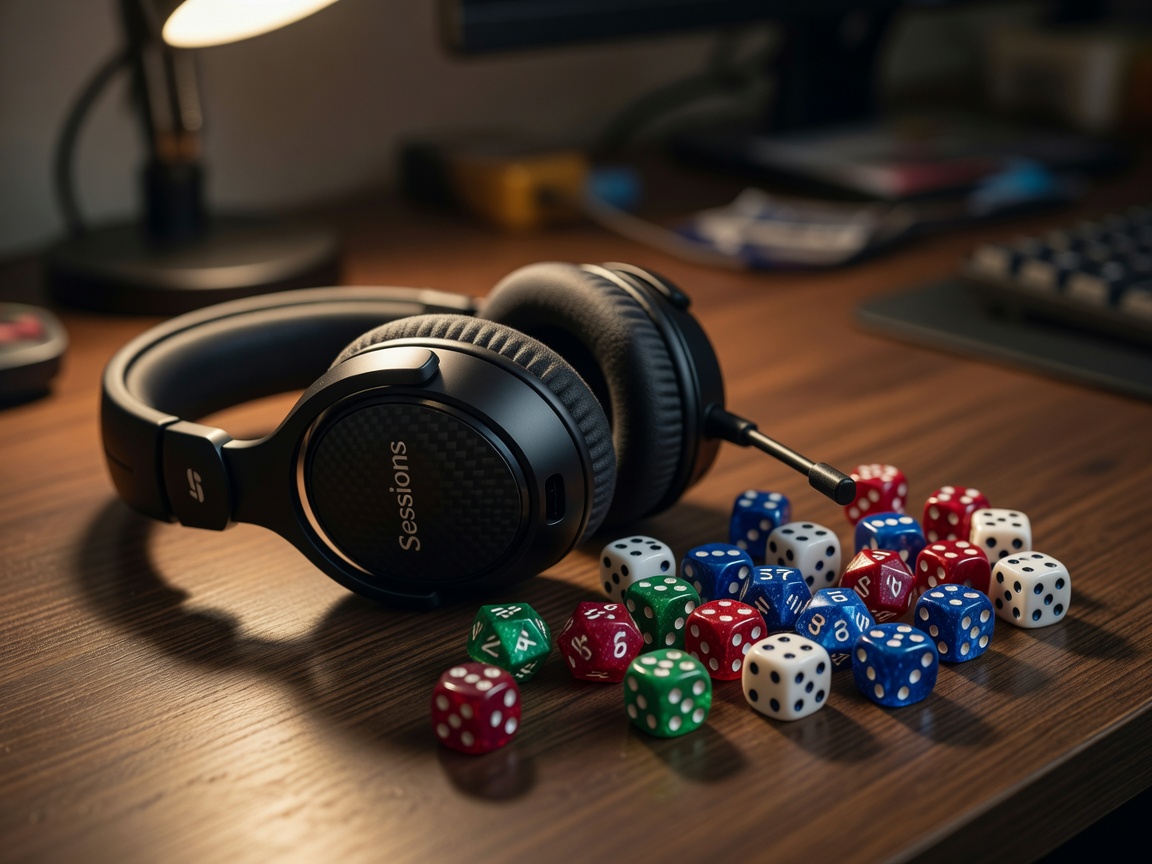
Bad audio sinks more online games than bad maps. Most groups run voice on Discord alongside the VTT, even when the VTT has built-in voice, simply because it's reliable and everyone already has it.
- A wired headset beats laptop speakers every time — no echo, no feedback.
- Turn on push-to-talk or noise suppression for anyone with a loud house.
- Cameras are lovely for the first ten minutes of catch-up. Many groups switch them off for play to save bandwidth.
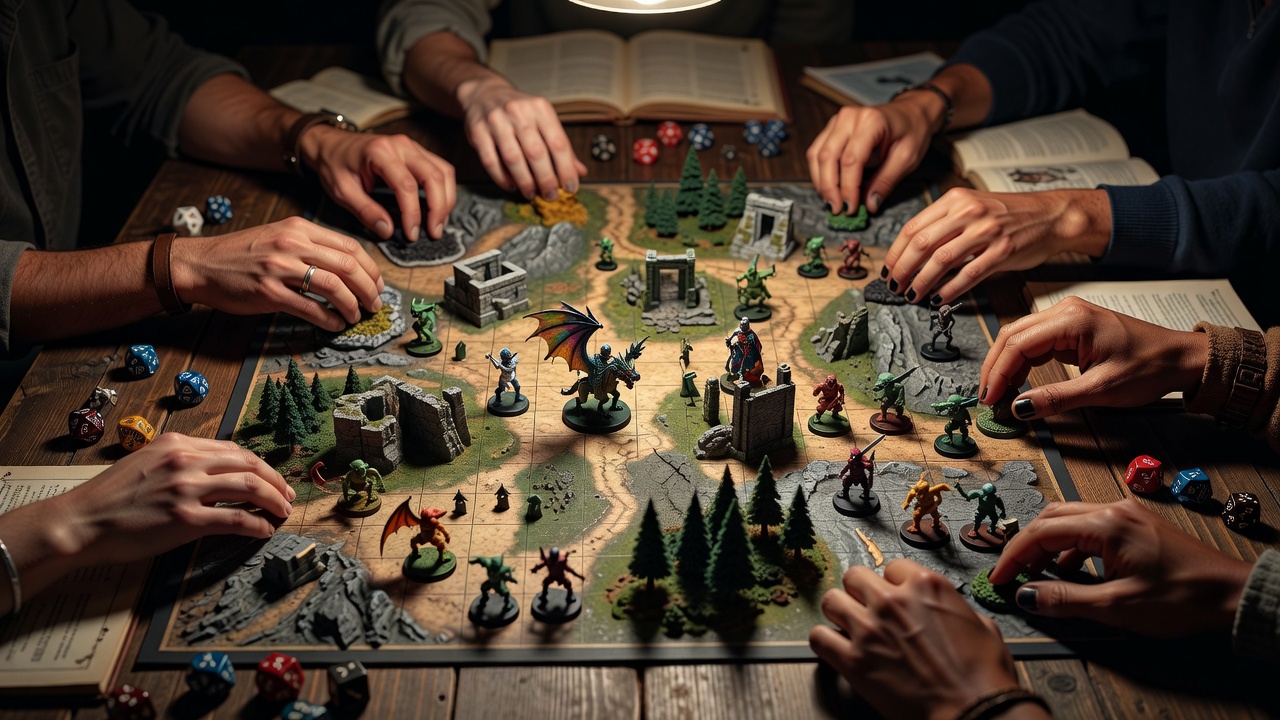
Real table
You read the room from faces and body language.
Virtual table
You read it from voices and pauses — so ask more check-in questions.
Session Zero, Online Edition
Session zero matters even more when people can't read each other across a table. Cover the usual — tone, character ties, how often you'll meet — and add the tech: which platform, who hosts, how dice work, what happens if someone drops.
This is also the moment for safety tools. Lines and Veils let players name content that's off the table and content that happens "off screen." John Stavropoulos's X-Card translates neatly online: a shared emoji or a token on the map anyone can tap, no explanation needed. The free TTRPG Safety Toolkit, compiled by Kienna Shaw and Lauren Bryant-Monk, collects these and more.
Put your lines, veils and table agreements in a pinned handout on the VTT, so they're one click away mid-session.

Pacing Without Body Language
Screens are tiring. Plan a short break every 75–90 minutes and keep sessions to three or four hours at most. Online, the spotlight drifts to whoever talks loudest, so call on quiet players by name: "Mira, what's your character doing while this happens?"
Use the tools for speed: an initiative tracker everyone can see, pre-made scene changes, handouts revealed with one click. Keep combat brisk by asking the next player in initiative to plan while the current one acts. And if someone's connection drops, have an agreement in place — usually the character follows along quietly until they're back.

The Pre-Session Checklist
Run through this thirty minutes before start time. It takes five, and it saves the first half hour of the evening.
- Platform and modules updated (and tested) at least a day earlier.
- Tonight's maps loaded, walls checked, fog reset.
- Next scene prepped and hidden from players.
- Enemy tokens placed with hit points and names set.
- Handouts and images uploaded and ready to reveal.
- Voice channel open; your mic and headset tested.
- Safety tools pinned and visible.
- Recap of last session written in chat or a journal entry.
- Backup plan ready if the VTT fails: a theatre-of-the-mind scene.
- Water, snacks, and a timer for the first break.