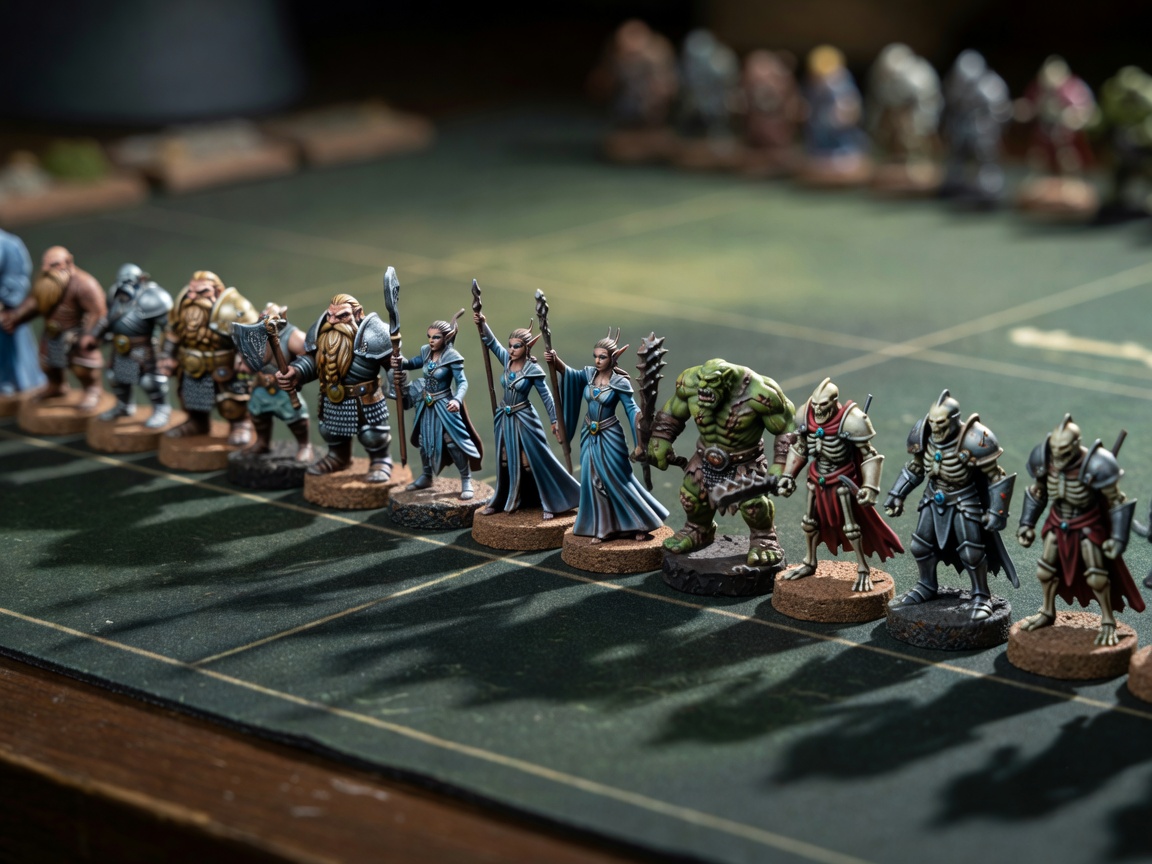
Side by Side, Feature by Feature
Every VTT is a trade between setup time, cost, and how much it does for you. Here's the honest lay of the land, written for the GM who has to install it and the players who have to put up with it.
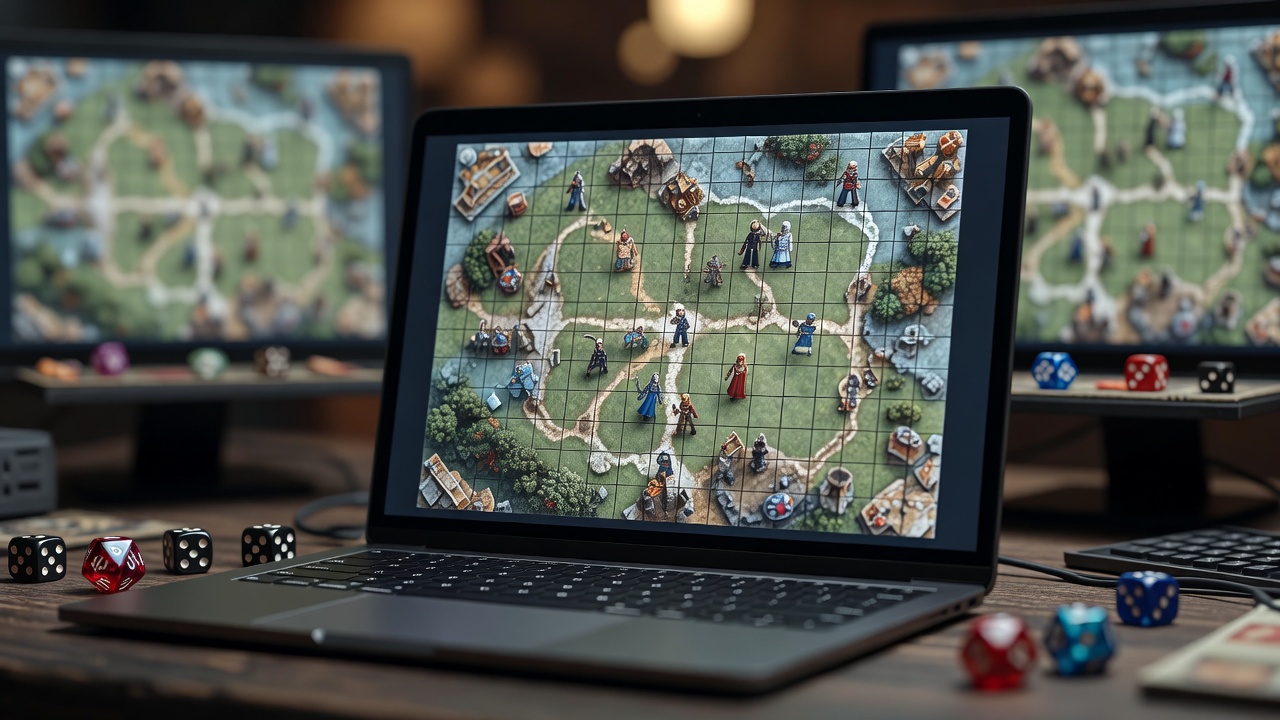
The Comparison Table
Pricing models change, so we describe the structure rather than quote figures. Always check the official store page before buying.
| Platform | Pricing model | Systems | 3D | Hosting |
|---|---|---|---|---|
| Roll20 | Free tier; optional Plus and Pro subscriptions; marketplace for modules | Large library of official and community sheets: D&D 5e, Pathfinder, Call of Cthulhu and many more | 2D maps; 3D dice option | Browser, cloud-hosted by Roll20 |
| Foundry VTT | One-time license for the GM; players join free | Hundreds of community game systems, including well-supported D&D 5e and Pathfinder 2e | 2D maps; 3D dice via modules such as Dice So Nice | Self-hosted on your PC or a server, or rented (e.g. The Forge) |
| Fantasy Grounds Unity | One-time purchase or subscription; an Ultimate license lets players join without their own | Official rulesets incl. D&D 5e, Pathfinder 2e, Savage Worlds; CoreRPG for everything else | 2D maps; 3D dice | Desktop app; the GM's copy hosts the session |
| Tabletop Simulator | One-time Steam purchase per player | Any game, run manually; huge Steam Workshop of mods | Full 3D physics sandbox | Steam desktop app, host-to-player |
| Owlbear Rodeo | Free tier; optional paid tier for more storage | System-agnostic; extensions add sheets and initiative trackers | 2D | Browser, cloud-hosted |
| TaleSpire | One-time Steam purchase per player | System-agnostic; "Symbiotes" add sheets and tools | Full 3D build-and-play tiles and minis | Steam desktop app |
Browser or Install?
Browser platforms — Roll20 and Owlbear Rodeo — win on friction. You send a link, players click it, and they're in. That matters more than any feature list when your group includes someone on a work laptop, a Chromebook, or a borrowed tablet. Owlbear Rodeo in particular is lightweight: a map, tokens, fog, and dice, without a single menu you'll never use.
Installed platforms trade that convenience for power. Foundry VTT runs as an app on the GM's machine (players still join from a browser), so you control the files, the modules, and the updates. Fantasy Grounds Unity, Tabletop Simulator and TaleSpire need a real install on each player's computer, and the 3D ones want a reasonable graphics card.
Real table
Whoever has the biggest dining room hosts.
Virtual table
Whoever has the best upload speed hosts — or nobody does, because it's cloud.
Who Pays for What
This is where groups get surprised. There are three basic models, and knowing which one you're in prevents awkward conversations at session two.
- GM pays once: Foundry VTT, and Fantasy Grounds with an Ultimate license. Players pay nothing.
- Everyone pays once: Tabletop Simulator and TaleSpire, each a separate Steam purchase per player.
- Free with optional upgrades: Roll20 and Owlbear Rodeo. A free account is genuinely usable; subscriptions add storage, lighting features or scripting.
Then there's content. Official adventures and rulebooks are often sold separately per platform, and a book bought for Roll20 doesn't transfer to Foundry. If you already own a lot of digital content in one ecosystem, that tips the scales hard.

Pick by Play Style
A seasoned GM's rule of thumb: pick for the group you have, not the group you wish you had.
- New group, one-shot, or mixed tech skills: Owlbear Rodeo or Roll20. Nobody installs anything.
- Long D&D 5e or Pathfinder 2e campaign with a tinkering GM: Foundry VTT. Pay once, automate a lot.
- You love licensed books and official content: Fantasy Grounds Unity or Roll20.
- Board games, card games, or a physics-and-chaos crowd: Tabletop Simulator.
- You want players to gasp at the dungeon: TaleSpire's 3D builds are the closest thing to terrain on a table.
Before you commit, run a 30-minute test with the whole group on the free tier or a demo. Five minutes of someone failing to hear audio teaches you more than any review.